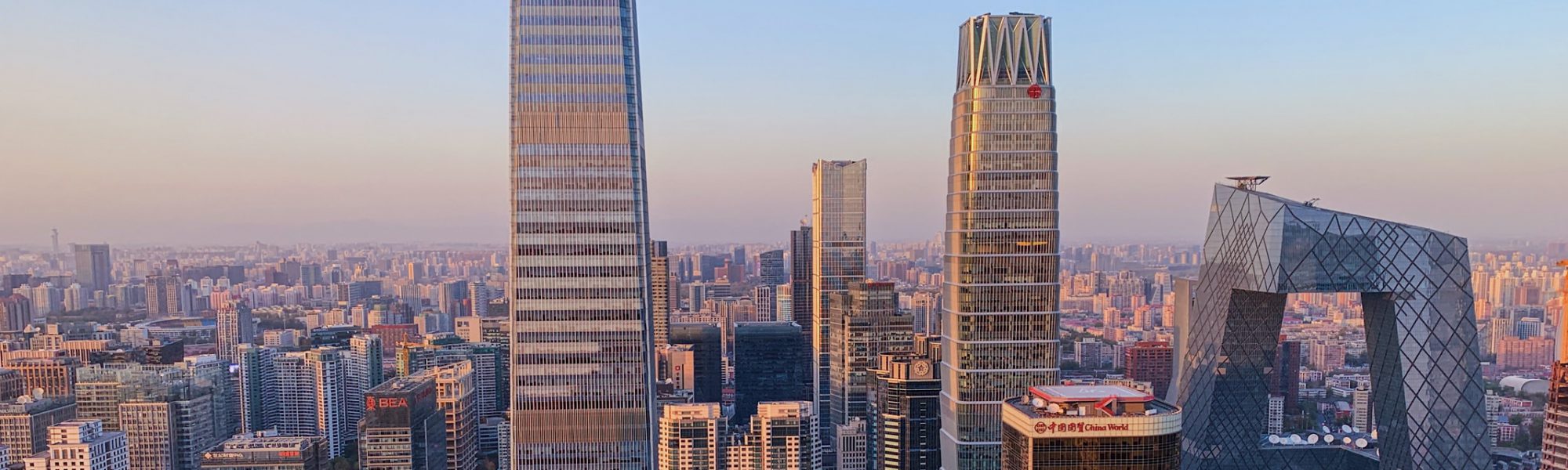


Beijing will amaze you with its mixture of old traditions and sparkling new technology. Its streets are filled with the smell of dumplings and locals chatting in tea houses.
Markets filled with calligraphy brushes sit side by side with towering glass skyscrapers. Visiting the Great Wall is like stepping back in time while a trip to the quirky 798 Art District shows Beijing's modern arts scene.
The Good
- 🎉 Decent nightlife
- 🤤 Great food options
- 🍜 Streetfood
- ☕ Coffee
- 👮 Safe
- 🚀 Fast wifi
- 🚌 Good public transport
- 🏛️ Architecture
- 🛍️ Shopping
- 🛏️ Amazing hotels
The Bad
- 🚘 Traffic
- 🗑️ Pollution
- 🚶 Not walkable
- 🤼 Crowded
- 🏴 Low English proficiency
Living costs
- Beijing is the most expensive place (out of 8) to live in China
- The average salary in Beijing is
- It's about 79% cheaper to live in Beijing than it is Liverpool
- You can expect to spend around $1,748.06 per month living here
Work
|
|
|
|
|
-- |
|
|
Buy |
|
|
|
|
|
-- |
Living
|
|
|
|
|
-- |
|
|
-- |
|
|
|
|
|
Leisure
|
|
|
|
|
|
|
|
|
|
|
-- |
|
|
|
|
|
|
|
|
|
|
|
- Prices are estimates and should be used as a guide only. We accept no responsibility for inaccuracies in data.
- Prices adjusted to reflect exchange rates as of 26th Jul 2026
Safety
Generally safe with low violent crime rates; however, petty crime like pickpocketing can occur in crowded areas.
Where to stay
1. Dongcheng District
Dongcheng includes iconic landmarks like the Forbidden City, Tiananmen Square, and the Temple of Heaven. It's bang central and rich in historical and cultural sites. Staying here provides easy access to major tourist attractions and traditional Beijing neighbourhoods, offering a deep dive into the city's history.
2. Sanlitun
Known for its banging nightlife, international dining options, and fancy shopping, Sanlitun is a popular area among expats and digital nomads. It's a hub for modern, cosmopolitan living and has lots of co-working spaces and cafes, making it perfect for work and socializing.
3. Chaoyang District
Chaoyang is a large district that has both business and residential areas. It includes the Central Business District (CBD) and is home to many international companies and embassies. It offers a range of accommodation options, modern facilities, and is well-connected by public transport.
4. Haidian District
Located to the northwest of the city center, Haidian is known for its educational institutions, including Peking University and Tsinghua University. It has a more relaxed feel compared to the city center and offers a variety of parks and green spaces. It's a good choice for those seeking a quieter environment with access to cultural and educational attractions.
5. Wangfujing
Wangfujing is a major shopping street and a busy commercial area near Beijing's historic center. It's known for its massive shopping malls, street food, and closeness to attractions like the Beijing National Museum. It's a decent area for those who want to be in the heart of shopping and cultural activities.
Transport
Metro
The Beijing Subway is one of the easiest ways to get around the city. With extensive coverage comprising 23 lines and over 400 kilometers, it connects major attractions and neighbourhoods. The metro operates from approximately 5 AM to 11 PM daily, and signs are available in both Mandarin and English, making it user-friendly for international visitors.
Popular stations include Tiananmen East for the Forbidden City and Wangfujing for shopping.
Bus
Beijing has a comprehensive bus network that serves the entire city. With thousands of routes and frequent services, it's an economical way to get around. Bus stops are marked, and many offer real-time tracking information. Tickets can be purchased directly from the bus driver, and cash is the most common payment method, although some buses accept a transportation card.
Beijing Transportation Smart Card
This card is a convenient way to travel across public transport (subway, bus, and some taxis) in Beijing. You can easily recharge it at various booths or vending machines throughout the city.
Smart CardTaxi
Taxis are readily available in Beijing and can be flagged down on the street or booked via phone. Most taxis have a meter, and the fare is relatively inexpensive compared to many western cities. However, during peak hours, it can be difficult to find an available taxi, so plan accordingly.
Ride-Hailing
Ride-hailing platforms like Didi Chuxing operate extensively in Beijing, providing a convenient and often cost-effective alternative to traditional taxis. Users can download the app, set their destination, and see fare estimates before confirming their ride. Didi offers various service tiers, from budget to premium options.
Bicycle Sharing
Bicycle-sharing programs are popular in Beijing, offering a green and flexible way to explore the city. Services like Mobike and Ofo allow users to unlock bikes via mobile apps for short-term rentals. As there are designated bike lanes throughout the city, cycling can be a safe and enjoyable option during the warmer months.
Ride hailing apps
The must have ride hailing apps to ensure you can get from A to B