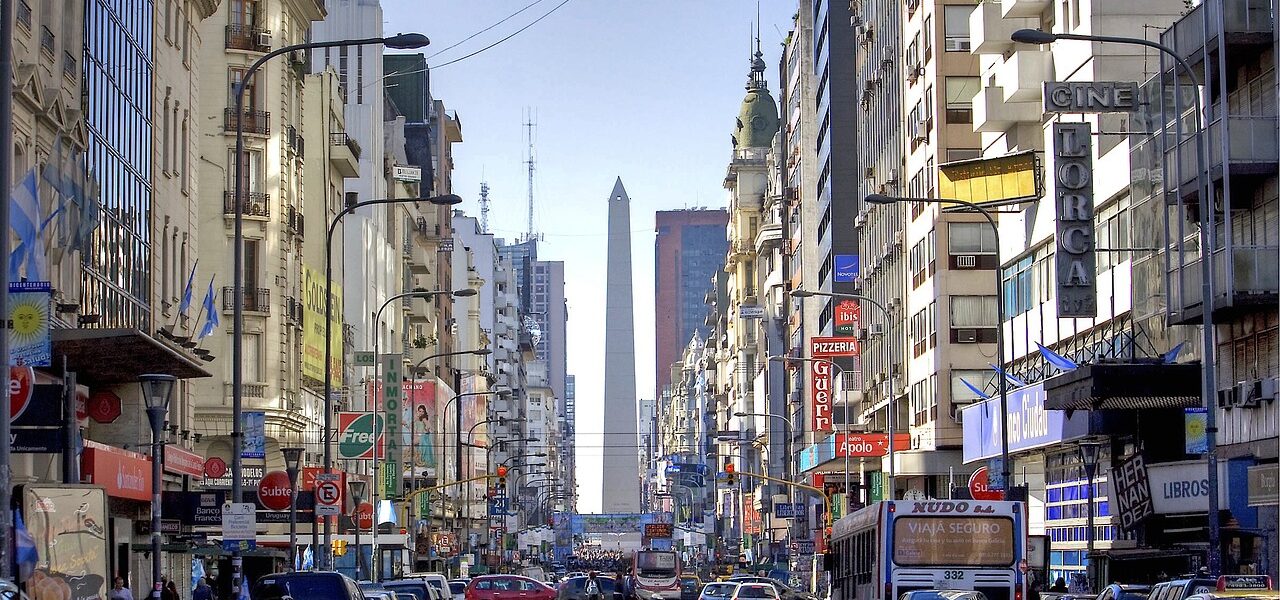


Buenos Aires is ideal for digital nomads. There's plenty of strong coffee available at local cafes before you head to a coworking spot in Palermo or Recoleta. Living here tends to be cheaper than many Western cities, although, as you'd expect, the traffic can be a nightmare. They speak Spanish here so not having a grasp of it might slow you down at first.
There are loads of things to check out if you want to unwind after a day's work. Museums, Galleries and of course plenty of bars. There's also a strong ex-pat community, which makes it easy to meet people and settle in. You might spend your evenings enjoying a solid parrilla dinner or catching a tango show.
If you’re comfortable with an urban setting that comes with its own set of challenges, Buenos Aires is a decent option for digital nomads looking to work and live in a real city.
The Good
- 🎉 Good nightlife
- 🤤 Great food options
- 🍜 Streetfood
- ☕ Coffee
- 🦄 Strong nomad community
- ☀️ Warm weather
- 🚀 Fast wifi
The Bad
- 👮 Not the safest
- 🚘 Traffic
- 📡 Unreliable wifi
- 🤼 Crowded
Living costs
- Buenos Aires is the cheapest place (out of 2) to live in Argentina
- The average salary in Buenos Aires is
- It's about 1,009% cheaper to live in Buenos Aires than it is Paris
- You can expect to spend around $240.38 per month living here
Work
|
|
|
|
|
|
|
|
Buy |
|
|
|
|
|
Living
|
|
|
|
|
|
|
|
|
|
|
|
|
|
Leisure
|
|
|
|
|
|
|
|
|
|
|
|
|
|
|
|
|
|
|
|
|
|
|
- Prices are estimates and should be used as a guide only. We accept no responsibility for inaccuracies in data.
- Prices adjusted to reflect exchange rates as of 26th Jul 2026
Safety
Crime rates, particularly petty theft, are common in certain areas; visitors should remain vigilant and avoid risky neighbourhoods.
Where to stay
1. Palermo
Palermo is a trendy neighborhood that has become a magnet for young travellers and digital nomads. It's divided into sub-neighborhoods like Palermo Soho and Palermo Hollywood, known for their nightlife, boutique shops, trendy cafes, and art galleries. Palermo also offers beautiful parks and green spaces, making it an ideal choice for those who enjoy a mix of urban energy and nature.
2. San Telmo
San Telmo is the oldest neighborhood in Buenos Aires, known for its bohemian atmosphere, cobblestone streets, and colonial buildings. It's a popular area for backpackers and travellers who appreciate its artistic vibe, antique markets, tango clubs, and traditional cafes. San Telmo is also known for its Sunday market, Feria de San Telmo, where you can find unique crafts, vintage items, and street performances.
3. Recoleta
Recoleta is an upmarket neighbourhood known for its elegance, European-style architecture, and cultural attractions. It's home to the iconic Recoleta Cemetery, where Eva Perón's tomb is located, as well as the stunning Floralis Genérica sculpture and the Museo Nacional de Bellas Artes. Recoleta offers a mix of luxury hotels, fancy restaurants, and boutique shops, making it an excellent choice for travellers seeking a more refined experience.
4. Microcentro
The Microcentro, or the downtown area, is the commercial and financial hub of Buenos Aires. It's a good location for travellers who want to be in the heart of the city, close to major attractions like the Obelisco, Plaza de Mayo, and the historic Teatro Colón. The area has a lively atmosphere, numerous shops, and loads of accommodation options, including cheap hostels.
5. Puerto Madero
Puerto Madero is a modern, trendy waterfront neighbourhood that offers a more contemporary living experience. It features skyscrapers, promenades, cool restaurants, and upscale bars. Puerto Madero is an excellent choice for travellers who prefer a more cosmopolitan and luxurious environment, with easy access to the city's financial district and the Ecological Reserve.
Transport
Subte (Metro)
One of the easiest ways to get around Buenos Aires is by using the Subte, the city's extensive underground metro system. It consists of six lines that connect various neighbourhoods and key districts. The Subte runs frequently, especially during peak hours, making it a great option for both locals and tourists.
The main stations are located near popular attractions, and you can easily purchase a rechargeable SUBE card at any metro station or nearby shops.
Bus
Buenos Aires boasts an extensive bus network known as "colectivos" which covers almost every corner of the city. With numerous routes running throughout the day and night, buses are a reliable option for getting around. The main bus terminals are located at major intersections and transit hubs.
The SUBE card is also used on buses, ensuring seamless travel across both metro and bus systems.
Taxi
Taxis are widely available in Buenos Aires and can be hailed on the street or booked through an app. The city is known for its distinctive yellow and black cabs which are a common sight. While taxis are convenient, ensure you use a verified taxi service to avoid overcharging.
Taxi prices are metered, allowing for a fair calculation of the fare, and you can easily find taxi ranks near major attractions.
Ride-Hailing Services
Ride-hailing services like Uber and Cabify are widely available in Buenos Aires. These platforms offer competitive pricing and allow you to track your ride in real-time, providing a comfortable alternative to traditional taxis.
Bicycles
Buenos Aires promotes eco-friendly transport, and cycling is a popular choice with an expanding network of bike lanes throughout the city. The Ecobici system allows residents and tourists to rent bicycles for free for short periods, making it a healthy and enjoyable way to explore the city.
Walking
Many of Buenos Aires' attractions are within walking distance of each other, particularly in the city center and popular neighbourhoods like San Telmo and Palermo. Walking allows you to soak up the atmosphere and explore local shops and cafés at your leisure.